
The global health workforce is more mobile than ever. Nurses, physicians, and other health professionals increasingly build careers across borders, while governments look abroad to address workforce shortages. These professionals are essential to sustaining health systems. Yet the systems used to verify their qualifications remain slow, fragmented, and difficult to navigate. At the center of this challenge is a simple but essential issue: trust.
Regulators, employers, and patients must be confident that a health professional’s education, training, and licensure are legitimate and meet the standards required for safe practice. Today that confidence is often built through manual, country-by-country processes. Documents move slowly across institutions, qualifications from unfamiliar systems are difficult to interpret, and regulators must piece together information from multiple sources. In a world where healthcare careers increasingly cross borders, this approach no longer keeps pace.
Other sectors confronted this challenge long ago. Global finance, for example, operates on trusted digital infrastructure that verifies identities, authenticates transactions, and supports regulatory oversight across jurisdictions. These systems allow institutions to confirm critical information quickly and reliably. They do not replace regulation; they enable it to function effectively in a connected world.
Healthcare now needs a similar “trust layer” for professional credentials. Such a trust layer would not replace national regulators or licensing authorities,; rather, it would provide the infrastructure that helps them do their work more effectively. By combining primary-source credential verification, competency benchmarking, and interoperable digital credentials, regulators and employers could quickly confirm qualifications and understand how they align with local standards. The benefits would be both practical and profound.
First, it would strengthen patient safety. Reliable verification systems reduce the risk of fraudulent or misrepresented credentials entering health systems. As workforce mobility grows, protecting the integrity of professional qualifications becomes even more important. Second, it would help qualified professionals move more efficiently to where their skills are needed. Many countries face critical shortages of nurses and other health professionals. Yet recognition processes can take months or years, even for well-qualified practitioners. A trusted credential infrastructure could help regulators assess qualifications promptly while maintaining rigorous standards. Third, it would give policymakers clearer insight into the capabilities of the global workforce. Structured credential and competency data would help governments understand the skills of internationally trained professionals entering their systems and support better workforce planning.
Just as importantly, this infrastructure would modernize the way professionals manage their own qualifications. Digital credentials—secure, verifiable records of education, licensure, and certification—would allow professionals to carry trusted documentation of their skills throughout their careers, wherever they practice. None of this requires a single global regulator or uniform licensing system. Healthcare regulation will, and should, remain a national responsibility. What is needed instead is interoperability: trusted systems that allow verified information to move securely across borders while respecting national authority.
The global health workforce crisis has shown how interconnected our health systems have become. Countries depend on internationally educated professionals, and those professionals increasingly build careers that span regions and continents. Yet the infrastructure supporting credential recognition has not evolved at the same pace. If health systems are to meet the challenges ahead, we must invest not only in training and recruiting health professionals, but also in the systems that allow their skills to be recognized and trusted wherever they are needed.
In healthcare, trust is everything. Building a global trust layer for professional credentials would strengthen that trust: supporting regulators; protecting patients; and helping the health workforce move where it can do the most good.
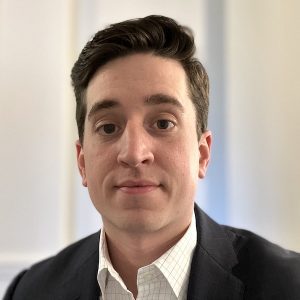
Benjamin Slaugh is Director of International Relations at TruMerit, where he leads engagement with governments, regulators, international organizations, and civil society partners on issues related to health workforce mobility, credential integrity, and professional recognition. His work focuses on strengthening trusted systems for cross-border health workforce pathways, with particular attention to ethical recruitment, regulatory cooperation, and global health workforce policy.